
Introduction
Growing cannabis can be a rewarding endeavor, but it also comes with its share of challenges. One of the most significant challenges for both novice and experienced growers is dealing with pests and diseases. These unwanted intruders can severely impact the health and yield of your cannabis plants, leading to reduced potency and overall plant vitality. Effective management of these issues is crucial to ensure a successful harvest.
Understanding how to identify and treat common pests and diseases not only helps in maintaining the health of your plants but also maximizes your yield and quality of the cannabis. In this guide, we’ll explore the most common cannabis pests and diseases, how to identify them, and effective treatment methods to keep your plants healthy and thriving. By implementing proactive measures and maintaining a vigilant eye on your grow environment, you can mitigate these challenges and ensure your cannabis plants flourish throughout their growth cycle.
Common Cannabis Pests
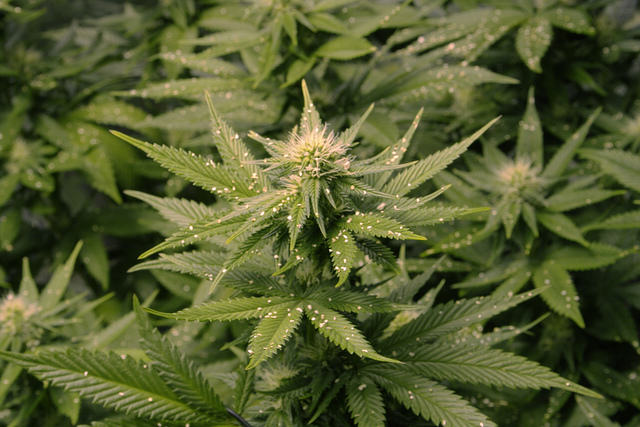
Cannabis cultivation, whether for personal use or commercial production, often faces the persistent threat of pests. These unwanted intruders can compromise the health and yield of your plants, making it essential to identify and address them promptly. From tiny spider mites to destructive caterpillars, cannabis pests come in various forms and can wreak havoc on your garden if left unchecked. Understanding the common pests that target cannabis plants and knowing how to manage them effectively is crucial for maintaining a healthy and productive grow.
Spider mites are one of the most common pests, notorious for their rapid reproduction and ability to cause significant damage by sucking plant sap. Aphids, small pear-shaped insects, also feed on plant sap and can lead to stunted growth and yellowing leaves. Whiteflies, tiny winged insects, are another common threat, leaving behind a sticky residue that can promote mold growth.
Caterpillars, while less common, can cause severe damage by chewing through leaves and buds. Fungus gnats, whose larvae feed on roots, can also pose a significant threat, particularly in young plants.
In this section, we’ll delve into the most prevalent cannabis pests, how to spot them, and the best practices for keeping your plants pest-free. By staying vigilant and employing effective pest management strategies, you can protect your cannabis plants and ensure a healthy, bountiful harvest.
1. Spider Mites
- Identification: Spider mites are tiny, often less than 1mm in size, and can be red, black, or white. Look for fine webbing on the undersides of leaves and tiny specks on the foliage.
- Treatment: Introduce natural predators like ladybugs or predatory mites. Neem oil and insecticidal soaps can also be effective. Regularly misting plants can help as spider mites thrive in dry conditions.
2. Aphids
- Identification: Aphids are small, soft-bodied insects that come in various colors, including green, black, and white. They cluster on new growth and the undersides of leaves, sucking sap from the plants.
- Treatment: Remove aphids manually with water spray or by hand. Neem oil, insecticidal soap, and introducing beneficial insects like ladybugs can control aphid populations.
3. Whiteflies
- Identification: Whiteflies are small, white, moth-like insects that fly up when the plant is disturbed. They feed on plant sap and excrete honeydew, which can lead to sooty mold.
- Treatment: Yellow sticky traps can help catch adult whiteflies. Neem oil and insecticidal soaps are also effective. Encourage natural predators like lacewings and ladybugs.
4. Fungus Gnats
- Identification: Adult fungus gnats are small, dark flies that hover around the soil surface. Their larvae, which live in the soil, can damage roots.
- Treatment: Allow the soil to dry out between waterings to reduce breeding. Use sticky traps to catch adults and apply beneficial nematodes to the soil to target larvae.
5. Caterpillars
- Identification: Caterpillars chew holes in leaves and buds, and their presence is often indicated by droppings on leaves.
- Treatment: Handpick caterpillars from plants. Bacillus thuringiensis (Bt) is a natural bacterial treatment effective against caterpillars.
Also Read: Hydroponics in Cannabis: Cultivating Innovation
Common Cannabis Diseases
Cannabis cultivation, whether for medicinal or recreational purposes, can be a fulfilling endeavor. However, like all plants, cannabis is susceptible to various diseases that can adversely affect its health, yield, and overall quality. These diseases, caused by fungi, bacteria, and viruses, can manifest in numerous ways, from discoloration and wilting to stunted growth and bud rot. Understanding the common diseases that afflict cannabis plants and knowing how to prevent and treat them is essential for any grower aiming for a successful harvest. In this section, we’ll explore the most common cannabis diseases, their symptoms, and effective strategies for managing and preventing them, ensuring your plants remain healthy and productive.
1. Powdery Mildew
- Identification: Powdery mildew appears as white, powdery spots on leaves, stems, and buds. It thrives in warm, humid environments with poor air circulation.
- Treatment: Improve air circulation and reduce humidity. Remove affected plant parts. Use fungicides or homemade solutions like a mix of water and baking soda.
2. Bud Rot (Botrytis)
- Identification: Bud rot starts inside the buds and turns them gray and mushy. It often appears during the flowering stage, especially in humid conditions.
- Treatment: Remove and destroy infected buds immediately. Improve air circulation and control humidity levels. Fungicides can be used as a preventive
measure.
3. Root Rot
- Identification: Root rot causes roots to turn brown and mushy, leading to wilting and yellowing of the plant. It is often caused by overwatering and poor drainage.
- Treatment: Improve soil drainage and avoid overwatering. Use hydrogen peroxide to oxygenate the soil. In severe cases, transplant the plant into fresh, well-draining soil.
4. Leaf Septoria
- Identification: Leaf septoria presents as yellow or brown spots on the leaves, which eventually turn black and cause the leaves to fall off. It is caused by a fungal pathogen.
- Treatment: Remove affected leaves and improve air circulation. Use fungicides specifically labeled for septoria.
5. Fusarium
- Identification: Fusarium wilt causes yellowing, wilting, and eventual death of the plant, starting from the bottom and moving upwards. It’s a soil-borne fungus.
- Treatment: Remove and destroy infected plants. Use fungicides and consider solarizing the soil to kill fungal spores.
Preventive Measures
Prevention is always better than cure when it comes to cannabis pests and diseases. Here are some general preventive measures to keep your plants healthy:
- Maintain Cleanliness: Regularly clean your grow area to prevent pest and disease outbreaks. Remove dead leaves and plant debris promptly.
- Quarantine New Plants: Before introducing new plants to your grow area, keep them in quarantine for a few days to ensure they are pest and disease-free.
- Monitor Plants Regularly: Inspect your plants regularly for signs of pests and diseases. Early detection can prevent a minor issue from becoming a major problem.
- Control Humidity and Temperature: Maintain optimal humidity and temperature levels to prevent conditions that favor the growth of pests and diseases. Use fans and dehumidifiers if necessary.
- Rotate Crops: Avoid planting cannabis in the same soil consecutively. Crop rotation helps prevent soil-borne diseases.
- Use Resistant Strains: Some cannabis strains are more resistant to pests and diseases. Choose resistant strains if you have had issues in the past.
Conclusion
Identifying and treating common cannabis pests and diseases is crucial for maintaining a healthy garden and achieving optimal yields. By understanding the signs of infestation and infection, using appropriate treatments, and implementing preventive measures, you can protect your cannabis plants and ensure a successful harvest. Whether you’re a seasoned grower or new to cannabis cultivation, staying vigilant and proactive is key to overcoming these challenges and enjoying the rewards of your hard work.
For those looking to purchase cannabis in Canada, it’s important to source from reputable suppliers who prioritize quality and plant health, ensuring you start with the best possible genetics for your grow.