
Introduction
Cannabis has long been recognized for its therapeutic properties, particularly in pain management. In Canada, where cannabis is legal for both medicinal and recreational use, many individuals seek strains specifically for Cannabis Strains for Pain Relief. This blog explores the best cannabis strains for pain relief, providing a comprehensive guide from a Canadian perspective.
Understanding Pain and Cannabis
Modulate pain and inflammation.
1. How Cannabis Alleviates Pain
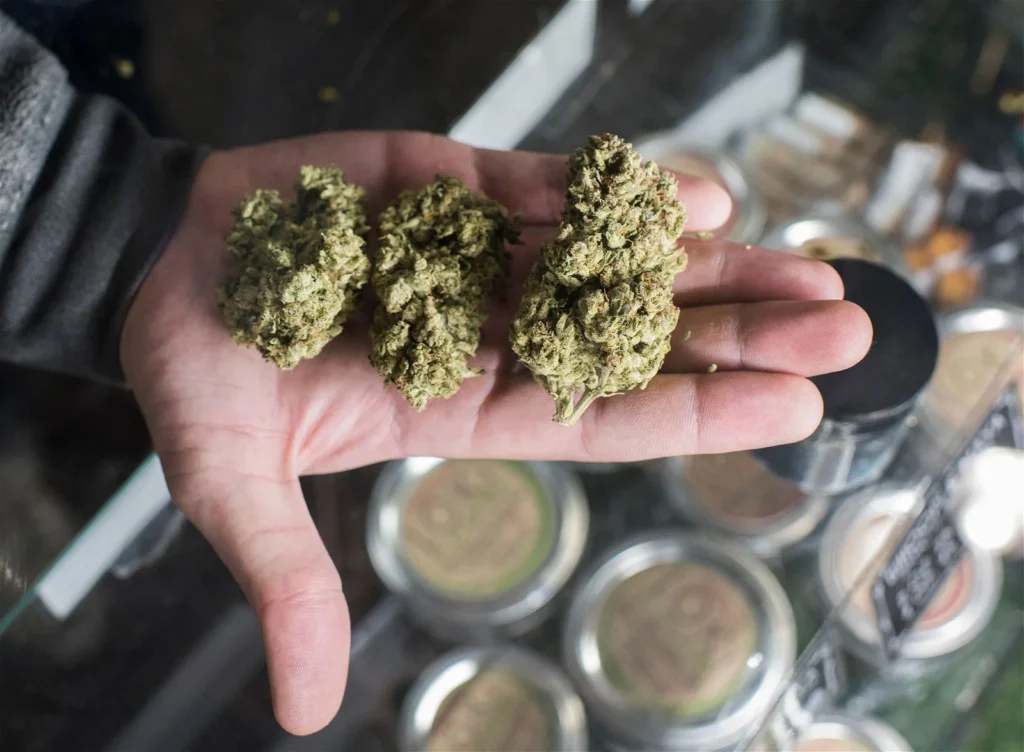
Cannabis contains various compounds, primarily cannabinoids like THC (tetrahydrocannabinol) and CBD (cannabidiol), which interact with the body’s endocannabinoid system (ECS). The ECS plays a crucial role in regulating pain, among other functions. THC and CBD bind to receptors in the ECS, helping to modulate pain and inflammation.
2. Types of Pain Cannabis Can Help
Cannabis is effective for various types of pain, including:
- Chronic Pain: Persistent pain conditions such as arthritis or fibromyalgia.
- Neuropathic Pain: Pain caused by nerve damage, often seen in conditions like multiple sclerosis or diabetes.
- Acute Pain: Short-term pain resulting from injuries or surgeries.
Popular Cannabis Strains for Pain Relief in Canada
Making them ideal for evening use.
1. Indica Strains for Pain Relief
Indica strains are often preferred for their relaxing and sedative effects, making them ideal for evening use.
– Pink Kush
Effects: Pink Kush is known for its potent body high and ability to alleviate pain and stress. It’s a favorite among Canadians for its long-lasting relief and calming effects.
Terpene Profile: High in myrcene, caryophyllene, and limonene, contributing to its analgesic and anti-inflammatory properties.
– Bubba Kush
Effects: Bubba Kush provides deep relaxation and is effective for managing chronic pain and insomnia. It’s renowned for its tranquilizing effects, making it a go-to strain for nighttime use.
Terpene Profile: Rich in myrcene, pinene, and caryophyllene, enhancing its pain-relieving capabilities.
2. Sativa Strains for Pain Relief
Sativa strains are generally uplifting and energizing, suitable for daytime use without causing sedation.
– Jack Herer
Effects: Jack Herer offers a balanced cerebral high and physical relaxation, making it effective for pain relief without drowsiness. It’s popular for its ability to provide clear-headed relief.
Terpene Profile: Contains terpinolene, caryophyllene, and pinene, contributing to its anti-inflammatory and analgesic effects.
– Sour Diesel
Effects: Sour Diesel is known for its fast-acting, energizing effects, making it ideal for pain relief during the day. It’s favored for its ability to reduce pain while enhancing focus and mood.
Terpene Profile: High in limonene, myrcene, and caryophyllene, which aid in pain and stress reduction.
3. Hybrid Strains for Pain Relief
Hybrid strains offer a balance of indica and sativa effects, providing versatile pain relief options.
– Blue Dream
Effects: Blue Dream is a popular hybrid that offers full-body relaxation with gentle cerebral invigoration. It’s effective for chronic pain, depression, and stress.
Terpene Profile: Contains myrcene, pinene, and caryophyllene, enhancing its analgesic and anti-inflammatory properties.
– OG Kush
Effects: OG Kush delivers a powerful euphoric high combined with deep relaxation. It’s widely used for managing pain, migraines, and stress.
Terpene Profile: Rich in caryophyllene, myrcene, and limonene, contributing to its potent pain-relieving effects.
The Canadian Cannabis Market for Pain Relief
Providing options for different pain management needs.

1. Accessibility and Availability
Canada’s legal cannabis market ensures that individuals have access to a wide variety of strains for pain relief. Licensed producers across the country cultivate numerous strains, providing options for different pain management needs.
2. Quality and Safety
Canadian cannabis products undergo rigorous testing for potency, purity, and safety. This ensures that patients receive high-quality cannabis that is free from contaminants and accurately labeled for cannabinoid content.
3. Medical Cannabis Programs
Canada’s medical cannabis program allows patients with qualifying conditions to obtain cannabis through prescriptions. This system ensures that patients receive professional guidance on selecting appropriate strains and dosages for their pain management needs.
Choosing the Right Strain for Pain Relief
Health conditions or are taking other medications.
1. Consult with a Healthcare Provider
It’s essential to consult with a healthcare provider before using cannabis for pain relief, especially if you have underlying health conditions or are taking other medications.
2. Experiment with Different Strains
Individual responses to cannabis can vary, so it may be necessary to try different strains to find the most effective one for your specific pain condition. Start with small doses and gradually increase until you achieve the desired relief.
3. Consider the Terpene Profile
Terpenes play a significant role in the therapeutic effects of cannabis. Understanding the terpene profile of a strain can help you select one that aligns with your pain relief needs.
Factors to Consider When Selecting a Cannabis Strain for Pain Relief
When choosing a cannabis strain for pain relief, several factors come into play to ensure the best results.
1. Understanding the cannabinoid profile of a cannabis strain is crucial.
THC and CBD are the primary cannabinoids that contribute to pain relief.
- THC (Tetrahydrocannabinol): Known for its psychoactive effects, THC can help reduce pain and inflammation. Strains high in THC are effective for acute pain but may not be suitable for everyone due to their psychoactive nature.
- CBD (Cannabidiol): CBD is non-psychoactive and offers significant anti-inflammatory and analgesic properties. Strains high in CBD are often preferred for chronic pain and conditions requiring long-term treatment.
2. Terpene Profile
Terpenes are aromatic compounds in cannabis that contribute to its effects. Some terpenes are particularly beneficial for pain relief.
- Myrcene: Known for its sedative and muscle-relaxing properties, myrcene is commonly found in indica strains.
- Caryophyllene: This terpene has anti-inflammatory and analgesic effects, making it useful for pain management.
- Limonene: Often found in sativa strains, limonene has mood-enhancing and anti-inflammatory properties.
3. Method of Consumption
The method of consuming cannabis can impact its effectiveness for pain relief.
- Smoking and Vaping: These methods offer quick relief as cannabinoids are rapidly absorbed into the bloodstream. However, they may not be suitable for individuals with respiratory issues.
- Edibles: Edibles provide long-lasting effects, making them ideal for chronic pain management. However, they take longer to take effect due to digestion and metabolism processes.
- Tinctures and Oils: These are absorbed sublingually (under the tongue) and offer a balance between quick onset and long-lasting relief.
- Topicals: Cannabis-infused creams and balms can be applied directly to the skin for localized pain relief without psychoactive effects.
Case Studies: Real-Life Experiences with Cannabis for Pain Relief
Provided sustained relief throughout the day.
1. Chronic Pain Management
Case Study 1: Fibromyalgia Patient
A patient with fibromyalgia found significant relief using a high-CBD strain. Initially skeptical, they started with a low dose of a CBD-dominant tincture. Over time, they noticed reduced pain and improved sleep quality without experiencing any psychoactive effects. The patient reported that the strain provided sustained relief throughout the day.
Case Study 2: Arthritis Sufferer
An elderly patient with arthritis chose a balanced strain with equal parts THC and CBD. They used a cannabis-infused topical balm on their joints and experienced marked pain reduction and increased mobility. The topical application allowed for targeted relief without any psychoactive effects.
2. Acute Pain Management
Case Study 3: Post-Surgical Pain
A patient recovering from knee surgery opted for a high-THC strain to manage post-surgical pain. They vaporized the cannabis for quick relief, which helped manage intense pain in the initial recovery period. As the pain lessened, they transitioned to a strain with higher CBD content to avoid prolonged psychoactive effects.
The Future of Cannabis for Pain Relief in Canada
Evidence supporting its use for pain management.
1. Research and Development
As cannabis research advances, new strains and products specifically designed for pain relief are being developed. Canadian researchers are at the forefront of studying the medicinal benefits of cannabis, contributing to a growing body of evidence supporting its use for pain management.
2. Personalized Medicine
With the rise of personalized medicine, the future of cannabis for pain relief looks promising. Genetic testing and personalized cannabinoid profiles may soon allow for highly individualized treatment plans, maximizing efficacy and minimizing side effects.
3. Legal and Regulatory Landscape
Canada’s progressive stance on cannabis legalization provides a robust framework for ongoing research and innovation. This supportive legal environment ensures that patients have access to safe, regulated, and effective cannabis products for pain relief.
Conclusion
Cannabis offers a promising alternative for pain relief, with various strains available to suit different preferences and conditions. In Canada, the legal and regulated market ensures that individuals have access to high-quality, safe cannabis products. By understanding the effects of different strains and consulting with healthcare professionals, Canadians can effectively manage pain and improve their quality of life.