
Germinating cannabis seeds is the crucial first step in successfully growing healthy plants. Whether you’re a beginner or a seasoned grower, understanding the best practices for germination can significantly impact your cultivation journey. In this guide, we’ll walk you through the entire process, from seed selection to caring for seedlings, ensuring you achieve optimal germination rates and set your cannabis garden up for success.
Why Germination Matters
Germination is the process by which a seed develops into a seedling. It’s a critical stage where seeds activate and begin to sprout, initiating the growth of a new cannabis plant. Proper germination ensures that seeds are viable and capable of producing healthy plants with robust growth and high-quality yields.
Choosing Cannabis Seeds
Start by selecting high-quality cannabis seeds from reputable breeders or seed banks. Look for seeds that are mature, firm, and have a dark coloration, indicating viability. Consider factors such as strain genetics, THC/CBD content, and growth characteristics (e.g., autoflowering or photoperiod) based on your preferences and cultivation goals.
Methods of Germination
There are several methods to germinate cannabis seeds, each with its pros and cons. Popular methods include:
1. Paper Towel Method
- Materials Needed: Paper towels, distilled water.
- Procedure:
- Moisten a paper towel with distilled water.
- Place seeds evenly spaced on the paper towel.
- Fold the paper towel over the seeds and place it in a sealed plastic bag.
- Store in a warm, dark place and check daily for germination.
2. Direct Planting in Growing Medium
- Materials Needed: Seedling trays, growing medium (e.g., coco coir, soil).
- Procedure:
- Fill seedling trays with pre-moistened growing medium.
- Plant seeds 1/4 to 1/2 inch deep in the medium.
- Water gently and cover with a humidity dome or plastic wrap.
- Place trays under grow lights or in a warm, sunny location.
3. Soaking Method
- Materials Needed: Glass of distilled water.
- Procedure:
- Fill a glass with distilled water.
- Drop seeds into the water and let them soak for 12-24 hours.
- Transfer seeds to a paper towel or directly into growing medium.
Germination Conditions
Regardless of the method chosen, ensure the following conditions for successful germination:
- Temperature: Maintain temperatures between 70-85°F (21-29°C) for optimal germination.
- Moisture: Keep the germination medium consistently moist but not waterlogged.
- Darkness: Seeds should germinate in a dark environment to mimic natural conditions.
Monitoring and Troubleshooting
During germination, monitor seeds daily for signs of sprouting. Healthy seeds will show a white taproot emerging from the seed casing. If seeds fail to germinate within 7-10 days, consider factors such as temperature fluctuations, incorrect moisture levels, or poor seed quality.
Transplanting Seedlings
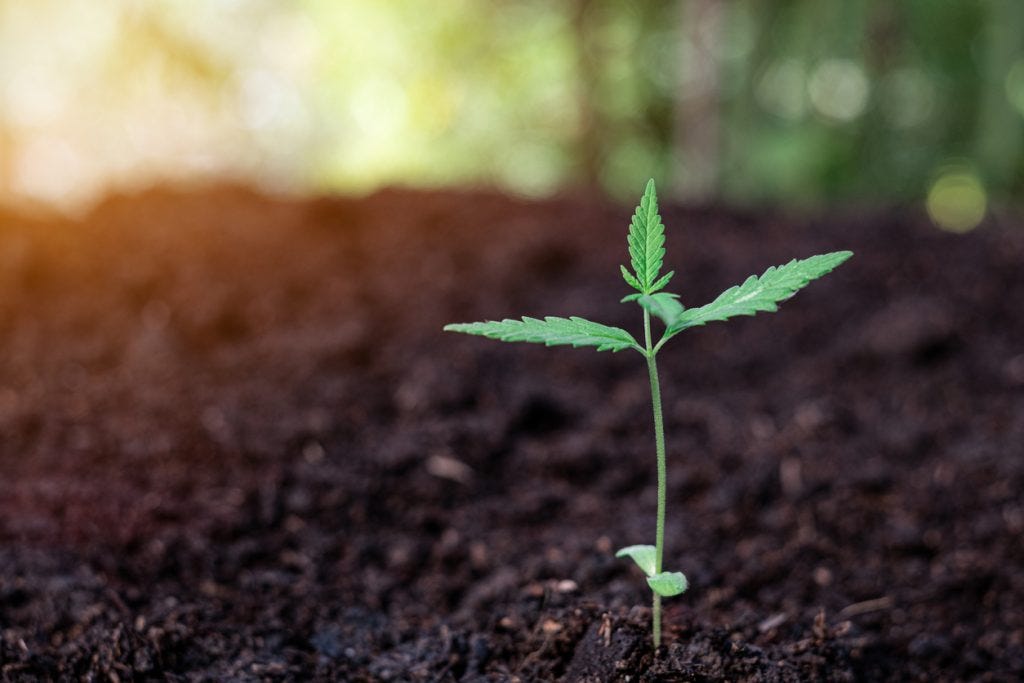
Once seeds have sprouted and seedlings develop a few sets of true leaves, carefully transplant them into larger containers or the final growing medium. Handle seedlings delicately to avoid damaging the roots or tender stems.
Caring for Seedlings
After transplanting, provide seedlings with adequate light (12-18 hours per day), proper nutrients, and ventilation. Maintain a consistent watering schedule, allowing the growing medium to dry slightly between waterings to prevent overwatering and root rot.
Specialized Germination Techniques
1. Aerated Water Germination
Aerated water germination involves using an aquarium pump to oxygenate water where seeds soak. This method enhances oxygen availability to seeds, promoting faster and healthier germination. It’s particularly beneficial for large-scale operations or growers focusing on maximizing seedling vigor.
2. Biochar and Seed Starting
Biochar, a form of charcoal used in agriculture, can improve soil structure and water retention. Incorporating biochar into seed starting mixes enhances nutrient availability and microbial activity, fostering robust root development and seedling growth.
3. Seed Priming
Seed priming involves pre-treating seeds with a solution to initiate the germination process. Common priming solutions include diluted nutrients, beneficial microbes, or hormones like cytokinins. This technique accelerates germination rates and improves seedling establishment under varying environmental conditions.
Ecological Considerations in Germination
1. Sustainable Germination Practices
Embracing sustainable practices in germination involves using organic seed starting mixes, minimizing plastic waste, and conserving water. Growers can opt for biodegradable seed trays, reusable germination domes, and rainwater harvesting systems to reduce environmental impact.
2. Native Seed Conservation
Supporting native seed conservation initiatives promotes biodiversity and preserves genetic diversity in cannabis cultivation. Engage in seed exchanges with local growers, participate in seed-saving workshops, and advocate for policies that protect native cannabis varieties and their natural habitats.
3. Online Forums and Social Media
Participate in online cannabis cultivation forums, social media groups, and seed-sharing platforms to exchange knowledge, troubleshoot germination issues, and discover innovative germination techniques. Engaging with a diverse community of growers fosters collaborative learning and enhances cultivation practices.
4. Local Workshops and Events
Attend local cannabis cultivation workshops, seed swap events, and sustainability fairs to connect with like-minded growers, learn from experienced cultivators, and explore new germination technologies. These events provide hands-on learning opportunities and cultivate a supportive community within the cannabis cultivation industry.
Read Also : The Ultimate Guide to Soil Preparation for Cannabis Seeds
Conclusion
Germinating cannabis seeds is a fundamental skill that sets the stage for successful cultivation. By choosing quality seeds, employing effective germination methods, and providing optimal growing conditions, you can ensure healthy seedlings and robust plant growth. Whether you’re growing for personal use or commercial purposes, mastering the art of germination is key to achieving high-quality cannabis crops and maximizing your yield potential.