
Growing cannabis starts with a crucial step: preparing the soil. Soil quality can make or break your cannabis plants, influencing their health, strength, and the yield of buds. This guide will walk you through the essential steps to create the perfect soil environment for your cannabis seeds to thrive.
Understand Your Soil Type
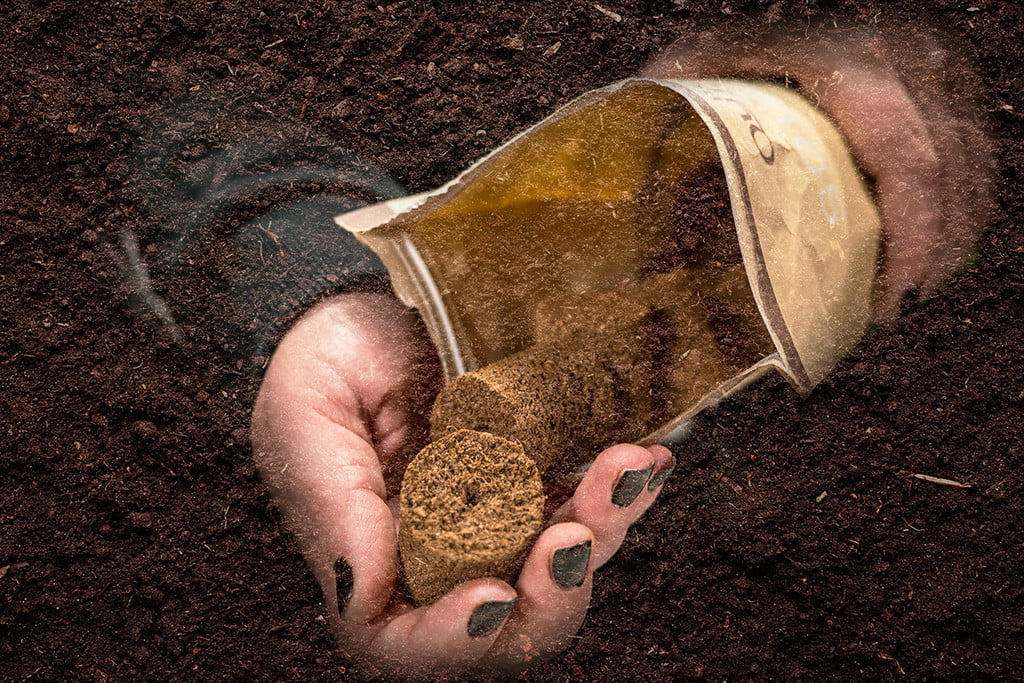
Before diving into amendments and adjustments, it’s essential to understand the type of soil you’re working with. Soil types generally fall into three categories: clay, sand, and loam. Each type has its characteristics:
- Clay soil is nutrient-rich but has poor drainage and is heavy.
- Sandy soil offers excellent drainage but poor nutrient retention.
- Loamy soil is an ideal mix, being well-draining and nutrient-rich.
For cannabis, loamy soil is the best starting point, but don’t worry if your garden’s natural soil isn’t perfect—adjustments can be made.
Test Soil pH
Cannabis thrives in slightly acidic soil with a pH between 6.0 and 7.0. Testing your soil’s pH is critical because it affects how plants absorb nutrients. You can use a pH meter or a simple test kit from your local garden store. If your soil is too acidic or too alkaline, you can adjust it using lime (to increase pH) or sulfur (to decrease pH).
Enhance Soil Structure
The goal is to create a soil structure that is loose, drains well, but can also hold moisture. Here’s how you can improve each type of soil:
- Clay Soil: Mix in sand, compost, and peat moss to improve drainage and lighten the soil.
- Sandy Soil: Add clay, peat moss, and compost to increase water and nutrient retention.
- Loamy Soil: Enhance it with compost or aged manure to maintain its balance.
Organic Matter is Key
Compost is your best friend when it comes to soil preparation. It introduces essential organic matter, which improves soil structure, water retention, and microbial life. These microbes play a crucial role in nutrient absorption. Well-composted manure can also be beneficial, adding nutrients and improving soil texture.
Consider Soil Amendments
Depending on your soil test results, you may need to add specific amendments to optimize nutrient levels:
- Nitrogen: Essential for vegetative growth. Can be added through blood meal or fish meal.
- Phosphorus: Important for root and flower development. Bone meal is a good source.
- Potassium: Helps with overall plant health. Potash can be used to increase potassium levels.
Be cautious with chemical fertilizers, as they can damage the microbial life in the soil. Organic options are usually safer and healthier for cannabis plants.
Mulching
Mulch helps to retain soil moisture, keep the soil temperature stable, and reduce weed growth. Organic mulches, such as straw or wood chips, are preferable as they decompose over time and add organic matter to the soil.
Regular Maintenance
Once your soil is prepared, regular maintenance is essential. Keep testing the soil periodically, especially pH and nutrient levels, and adjust as necessary. Regularly adding organic matter and checking for compacted areas will ensure your soil remains in optimal condition.
Troubleshooting Common Soil Problems
Even with the best preparation, you might encounter issues as your plants grow. Here are some common soil problems and how to address them:
- Water Retention Issues: If your soil is holding too much water, increase the amount of perlite or coarse sand to improve drainage. Conversely, if it’s drying out too quickly, boost the organic content with more compost or use vermiculite to enhance water retention.
- Nutrient Deficiencies: Yellowing leaves or stunted growth can indicate nutrient deficiencies. Use organic fertilizers tailored to the specific missing nutrients, and consider foliar feeding for a quick fix.
- pH Imbalances: Continuously monitor the pH, as it can fluctuate with watering and as plants extract nutrients. Adjust with lime or sulfur based on your ongoing tests.
Enhancing Soil Fertility
To keep your soil fertile over multiple growing seasons, consider cover cropping in the off-season. Cover crops, like clover or alfalfa, can fix nitrogen from the air into the soil, add organic matter when tilled back into the soil, and prevent erosion. They also support beneficial insects and help suppress weeds.
Soil Health and Microbial Life
A thriving microbial ecosystem is crucial for organic cannabis cultivation. These microorganisms break down organic matter into nutrients that cannabis plants can absorb easily.
- Incorporating Biochar: Biochar can enhance soil fertility by providing a habitat for microbial life and improving nutrient and water retention.
- Using Mycorrhizae: These beneficial fungi form symbiotic relationships with your cannabis roots, helping them absorb more nutrients and water. Adding mycorrhizae to your soil during planting can significantly boost your plants’ resilience and nutrient uptake.
Advanced Techniques for Soil Monitoring and Adjustment
As you become more experienced, you might incorporate more advanced techniques:
- Soil EC Meter: Use an EC meter to monitor the electrical conductivity of your soil, which can tell you how much nutrient salt is present. This helps in managing nutrient levels more precisely.
- Regular Soil Testing: Advanced soil tests can give you detailed reports on organic matter content, detailed nutrient levels, and even recommendations for amendments.
Preparing Soil for Indoor vs. Outdoor Cannabis Cultivation
The approach to soil preparation can differ significantly between indoor and outdoor settings:
- Indoor: You have more control, so tailor your soil mix precisely to the strain you’re growing. Use containers that enhance drainage and consider automated systems to monitor pH and moisture.
- Outdoor: You must consider the larger environment. Test the native soil extensively and prepare large beds with ample organic matter to buffer against nutrient fluctuations and pH shifts.
Long-term Soil Management
Maintaining soil health over the long term is key to sustainable cannabis cultivation:
- Crop Rotation: Rotate your cannabis with other plants to prevent nutrient depletion and pest accumulations.
- Green Manures: Integrate green manures like mustard, which can be grown quickly and then turned back into the soil to add nutrients.
- Regular Amendment: Each season, amend your soil based on the most recent soil test results to ensure optimal growth conditions.
Read Also : How To Properly Preserve Cannabis Seeds
Final Thoughts
Preparing your soil meticulously sets a strong foundation for your cannabis plants. It might seem like a lot of effort, but the payoff in plant health and yield is well worth it. Remember, great soil equals great plants. Start with these steps, and adjust based on your specific conditions and cannabis strain requirements. Happy gardening!