
Cannabis has been used for centuries as a therapeutic and recreational substance. Despite its long history, its effects on the human body have only been scientifically explored in recent decades. Understanding how cannabis interacts with our biology requires delving into the fascinating world of the endocannabinoid system (ECS), cannabinoids, and their various impacts on our physical and mental health.
What is Cannabis?
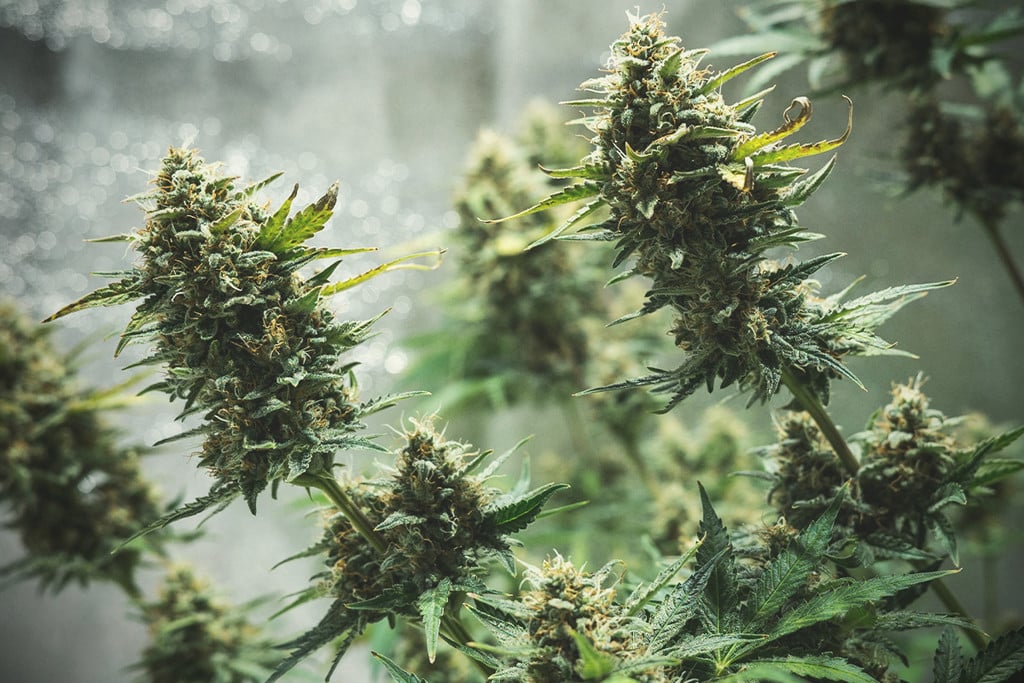
Cannabis refers to a group of flowering plants, including Cannabis sativa, Cannabis indica, and Cannabis ruderalis. The plant contains more than 100 chemical compounds called cannabinoids, which are responsible for its effects on the human body. Two of the most well-known cannabinoids are tetrahydrocannabinol (THC) and cannabidiol (CBD).
- THC: The psychoactive component that produces the “high” associated with cannabis.
- CBD: A non-psychoactive compound known for its potential therapeutic benefits.
The Endocannabinoid System: Cannabis’ Gateway to the Body
The endocannabinoid system (ECS) is a complex cell-signaling system found in humans and other mammals. It plays a crucial role in maintaining homeostasis—keeping the body’s internal environment stable.
Components of the ECS
- Endocannabinoids: Naturally occurring molecules in the body similar to cannabinoids found in cannabis.
- Anandamide (AEA)
- 2-Arachidonoylglycerol (2-AG)
- Receptors: Found throughout the body, these receptors interact with cannabinoids.
- CB1 receptors: Primarily located in the brain and central nervous system.
- CB2 receptors: Found in the immune system and peripheral organs.
- Enzymes: Responsible for breaking down endocannabinoids once they have served their function.
When cannabinoids like THC and CBD are introduced into the body, they interact with the ECS to produce a range of effects.
How THC Interacts with the ECS
THC binds primarily to CB1 receptors in the brain and central nervous system, mimicking the action of endocannabinoids like anandamide. This interaction triggers various effects, including:
- Euphoria: THC’s activation of CB1 receptors in the brain’s reward system leads to the “high.”
- Pain Relief: By modulating pain pathways, THC can help alleviate chronic and acute pain.
- Altered Perception: Changes in sensory perception and time awareness are common.
- Appetite Stimulation: Often referred to as the “munchies,” THC can increase hunger.
How CBD Interacts with the ECS
Unlike THC, CBD does not directly bind to CB1 or CB2 receptors. Instead, it interacts indirectly with the ECS by:
- Inhibiting the breakdown of anandamide, thereby prolonging its effects.
- Modulating non-ECS receptors like serotonin and TRPV1 receptors, which influence mood, pain, and inflammation.
CBD is widely regarded for its therapeutic potential without the psychoactive effects of THC.
The Effects of Cannabis on the Body
1. Brain and Nervous System
Cannabis can have profound effects on the brain, thanks to the abundance of CB1 receptors. These effects include:
- Enhanced Mood: THC can increase dopamine release, improving mood.
- Memory Impairment: High doses of THC may temporarily affect short-term memory.
- Anxiety and Relaxation: CBD is often used to reduce anxiety, while THC can have varying effects depending on the dose and individual.
2. Pain Management
Cannabis is widely used for its analgesic properties. It works by:
- Reducing inflammation.
- Modulating pain signals through the ECS.
3. Immune System
CB2 receptors in the immune system allow cannabis to influence immune responses. This is particularly relevant in conditions like autoimmune diseases and inflammation.
4. Digestive System
Cannabis affects appetite and digestion:
- THC stimulates hunger and may help patients undergoing chemotherapy regain appetite.
- CBD can reduce nausea and vomiting.
5. Cardiovascular System
Cannabis can temporarily increase heart rate and dilate blood vessels. Long-term effects are still under study, but moderation is advised for individuals with heart conditions.
Medical Uses of Cannabis
1. Chronic Pain
Cannabis, particularly strains high in CBD, is widely used for managing chronic pain caused by conditions like arthritis, fibromyalgia, and neuropathy.
2. Epilepsy
CBD has been shown to reduce the frequency and severity of seizures in conditions like Dravet syndrome and Lennox-Gastaut syndrome.
3. Mental Health Disorders
Cannabis is used for anxiety, depression, and PTSD. However, THC’s psychoactive effects can exacerbate anxiety in some individuals, making CBD a safer choice.
4. Sleep Disorders
Cannabis may help improve sleep by reducing insomnia and promoting relaxation, especially in cases of chronic pain or stress-related sleep issues.
5. Cancer
Cannabis can alleviate symptoms like pain, nausea, and loss of appetite in cancer patients undergoing chemotherapy.
Risks and Side Effects
While cannabis offers many potential benefits, it is not without risks:
- Cognitive Impairment: Long-term use, especially in adolescents, may affect brain development.
- Dependency: Some individuals may develop a dependency on cannabis.
- Respiratory Issues: Smoking cannabis can irritate the lungs and lead to chronic bronchitis.
- Paranoia and Anxiety: High doses of THC can induce anxiety or paranoia in sensitive individuals.
Future Directions in Cannabis Research
As cannabis legalization expands globally, research into its effects and potential uses is accelerating. Emerging areas of interest include:
- Cannabis and Neuroprotection: Studying its role in conditions like Alzheimer’s and Parkinson’s.
- Personalized Cannabis Therapy: Using genetic testing to tailor cannabis treatments to individuals.
- Non-Psychoactive Cannabinoids: Exploring lesser-known cannabinoids like CBG and THCV for their unique benefits.
Read Also : Sustainable Cannabis Farming: Practices for an Eco-Friendly Industry
Conclusion
The science of cannabis and its interaction with the human body is a testament to the complexity of both the plant and our biology. Through the endocannabinoid system, cannabinoids like THC and CBD exert a wide range of effects, from pain relief to mood enhancement. While its medical applications continue to grow, responsible use and further research are essential to fully harness its potential. Whether for medical or recreational purposes, understanding how cannabis works within the human body is key to making informed decisions about its use.