
As the cannabis industry continues to grow globally, so does the demand for sustainable and eco-friendly farming practices. With the increasing awareness of environmental concerns, there is a growing need to ensure that cannabis cultivation does not harm the planet. Sustainable cannabis farming focuses on using methods that reduce the ecological footprint while promoting the health of the environment, local communities, and consumers. In this blog post, we’ll explore the key practices that can make cannabis farming more sustainable and eco-friendly.
The Importance of Sustainable Cannabis Farming
Sustainability in agriculture has become a critical topic due to the depletion of natural resources, rising greenhouse gas emissions, and the loss of biodiversity. Cannabis farming, like other forms of agriculture, can have significant environmental impacts. The cultivation process often requires large amounts of water, synthetic pesticides, and fertilizers, which can lead to soil degradation, water pollution, and carbon emissions.
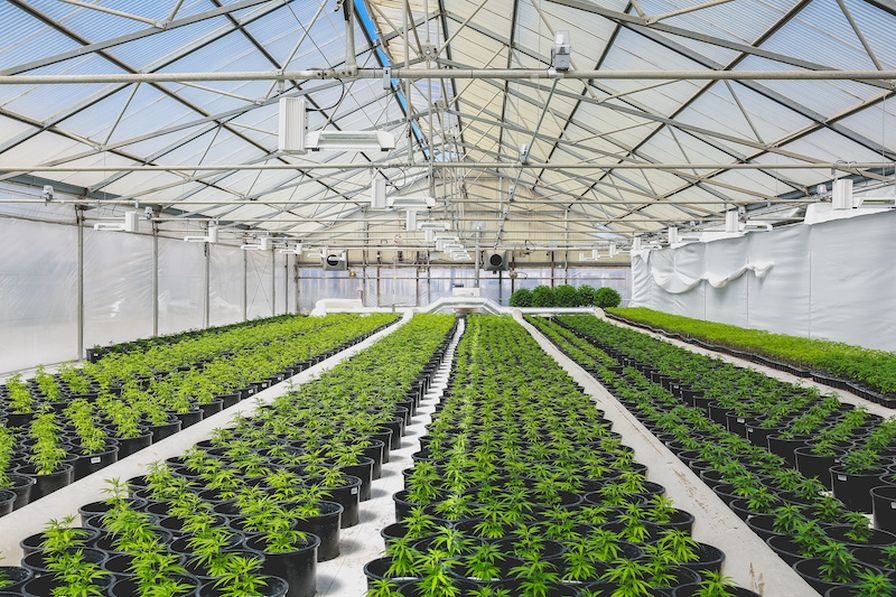
However, the cannabis industry also holds the potential to lead the way in implementing sustainable practices. By embracing eco-friendly farming techniques, cannabis growers can contribute to a more sustainable future while producing high-quality products. Let’s delve into some of the key practices that can help achieve this.
Eco-Friendly Cannabis Farming Practices
Eco-friendly cannabis farming practices focus on minimizing environmental impact by using sustainable methods such as organic farming, water conservation, and renewable energy. These practices help protect natural resources while promoting healthier crops and ecosystems.
1. Organic Farming Methods
Organic cannabis farming involves using natural inputs to cultivate plants, without relying on synthetic chemicals such as pesticides, herbicides, and chemical fertilizers. This method benefits the environment by reducing the risk of soil contamination and preserving water quality. Organic farming also supports biodiversity, as it avoids the use of toxic chemicals that can harm wildlife, insects, and other beneficial organisms.
By focusing on natural pest management techniques, such as companion planting, crop rotation, and the use of organic fertilizers like compost, cannabis growers can reduce their environmental impact and produce healthier plants. Moreover, organic cannabis tends to have a higher nutritional value and fewer toxins, making it a preferred choice for consumers who value eco-conscious products.
2. Water Conservation Techniques
Water is one of the most critical resources required for cannabis cultivation. In regions where water is scarce, using excessive water for irrigation can lead to droughts, water shortages, and soil erosion. Sustainable cannabis farming emphasizes the importance of water conservation techniques to minimize waste and ensure responsible water usage.
One effective method is using drip irrigation systems, which deliver water directly to the base of the plant, reducing water loss through evaporation or runoff. Rainwater harvesting is another sustainable practice that can help growers collect and store rainwater for irrigation purposes, reducing reliance on municipal water systems.
Furthermore, implementing soil moisture monitoring systems allows farmers to track the water levels in the soil and adjust their irrigation schedules accordingly, preventing over-watering and conserving precious water resources.
3. Renewable Energy Solutions
Cannabis cultivation, especially indoor growing, can be energy-intensive due to the need for artificial lighting, heating, and air circulation. Traditional farming methods rely heavily on fossil fuels, contributing to greenhouse gas emissions and climate change. To make cannabis farming more eco-friendly, many growers are turning to renewable energy solutions to power their operations.
Solar power is a popular choice for cannabis farmers who wish to reduce their reliance on grid electricity. By installing solar panels on their farms, growers can generate clean, renewable energy to power lights, fans, and other equipment. Wind and hydroelectric energy are also viable options for farms located in suitable areas, further reducing the carbon footprint associated with cannabis cultivation.
In addition to renewable energy sources, energy-efficient technologies, such as LED lighting and smart climate control systems, can help optimize energy use and reduce electricity consumption.
4. Regenerative Agriculture
Regenerative agriculture goes beyond sustainability by focusing on improving the health and fertility of the soil. This farming practice seeks to restore ecosystems, enhance biodiversity, and capture carbon from the atmosphere, ultimately reversing the damage done by conventional farming methods.
In the context of cannabis farming, regenerative practices can include techniques such as agroforestry, cover cropping, and mulching. Agroforestry involves planting trees and other vegetation alongside cannabis plants to improve soil health and provide habitat for beneficial insects and wildlife. Cover cropping involves planting specific crops, such as legumes, to enrich the soil with nutrients and reduce soil erosion.
By incorporating regenerative farming practices, cannabis growers can improve soil quality, promote biodiversity, and contribute to carbon sequestration efforts, all while maintaining high crop yields.
5. Eco-Friendly Packaging and Waste Management
The environmental impact of cannabis farming doesn’t end with cultivation; the packaging and disposal of cannabis products also play a significant role in the overall sustainability of the industry. Traditional plastic packaging can contribute to waste accumulation, especially when products are sold in small quantities, leading to a significant environmental burden.
To combat this issue, many cannabis companies are now adopting eco-friendly packaging solutions. These include biodegradable materials, recycled paper, glass containers, and reusable packaging. Eco-conscious consumers are increasingly seeking products with minimal environmental impact, and this shift in demand is pushing the industry to move towards more sustainable packaging practices.
In addition to packaging, cannabis growers can implement waste management strategies, such as composting plant waste and recycling materials, to reduce landfill contributions. By using sustainable packaging and waste disposal methods, the cannabis industry can significantly reduce its environmental footprint.
6. Supporting Local Communities
Sustainability extends beyond the environment to include social and economic factors. Sustainable cannabis farming involves supporting local communities and ensuring fair working conditions for those involved in the cultivation process.
Cannabis farms can contribute to local economies by providing jobs and supporting small-scale farming initiatives. Supporting fair wages, safe working conditions, and community development projects can help ensure that the benefits of cannabis cultivation extend beyond the farm itself. Additionally, some farmers partner with local organizations to promote environmental education and sustainability practices within the community.
By fostering strong, sustainable relationships with local communities, cannabis growers can ensure that their operations have a positive impact on both the environment and the people around them.
The Future of Sustainable Cannabis Farming
As the cannabis industry continues to evolve, sustainable farming practices will become increasingly essential. The growing demand for eco-friendly products and the urgent need to address climate change mean that sustainable cannabis farming is not just a trend—it’s a necessity.
Innovative solutions, such as vertical farming, hydroponics, and advanced AI-powered technologies, will play a key role in making cannabis cultivation more sustainable. By adopting these cutting-edge methods, growers can maximize their yield while minimizing their environmental impact.
Moreover, consumers are becoming more environmentally conscious and are seeking products that align with their values. As a result, cannabis companies that prioritize sustainability will likely gain a competitive edge in the market.
Conclusion
Sustainable cannabis farming is crucial for the long-term success of the cannabis industry and the health of our planet. By embracing eco-friendly practices such as organic farming, water conservation, renewable energy use, regenerative agriculture, and sustainable packaging, cannabis growers can minimize their environmental impact and contribute to a more sustainable future.
As the demand for cannabis products continues to rise, it’s essential that the industry prioritizes sustainability at every stage, from cultivation to consumer. By adopting these green practices, cannabis farmers not only protect the environment but also offer consumers high-quality products that align with their values. Let’s continue to work towards a greener, more sustainable cannabis industry for generations to come.