
Cannabis cultivation has gained immense popularity in recent years, particularly with the rise of legal home growing in many regions. For apartment dwellers, the prospect of growing cannabis in small spaces can seem daunting, but it’s entirely possible with the right knowledge and tools. This blog will explore the essential tips, techniques, and strategies to help you grow healthy cannabis plants, even in limited spaces like apartments. We’ll also touch on legal considerations and choosing the right equipment to ensure success.
Understanding the Basics of Small Space Cannabis Cultivation
Growing cannabis in a small space presents unique challenges, such as light control, limited airflow, and privacy concerns. However, with thoughtful planning and the use of appropriate equipment, you can optimize the growth environment and yield quality cannabis plants.
What You Need to Know About Growing Cannabis Indoors
Indoor cannabis cultivation requires attention to environmental factors, including light, temperature, and humidity. Unlike outdoor growing, you have more control over these factors indoors, which can be a significant advantage, especially in small spaces. However, you’ll need to adapt your growing environment to your apartment’s constraints.
Legal Considerations for Apartment Cannabis Growing
Before starting your indoor cannabis grow, it’s crucial to research local laws and regulations regarding home cultivation. Some regions limit the number of plants you can grow or have restrictions for apartment dwellers. Make sure you understand these laws to avoid any legal issues.
Choosing the Right Cannabis Strain for Small Spaces
When growing cannabis in an apartment, the size and growth characteristics of the strain you choose are essential. Some strains grow tall and wide, making them unsuitable for small spaces, while others are more compact and easier to manage.
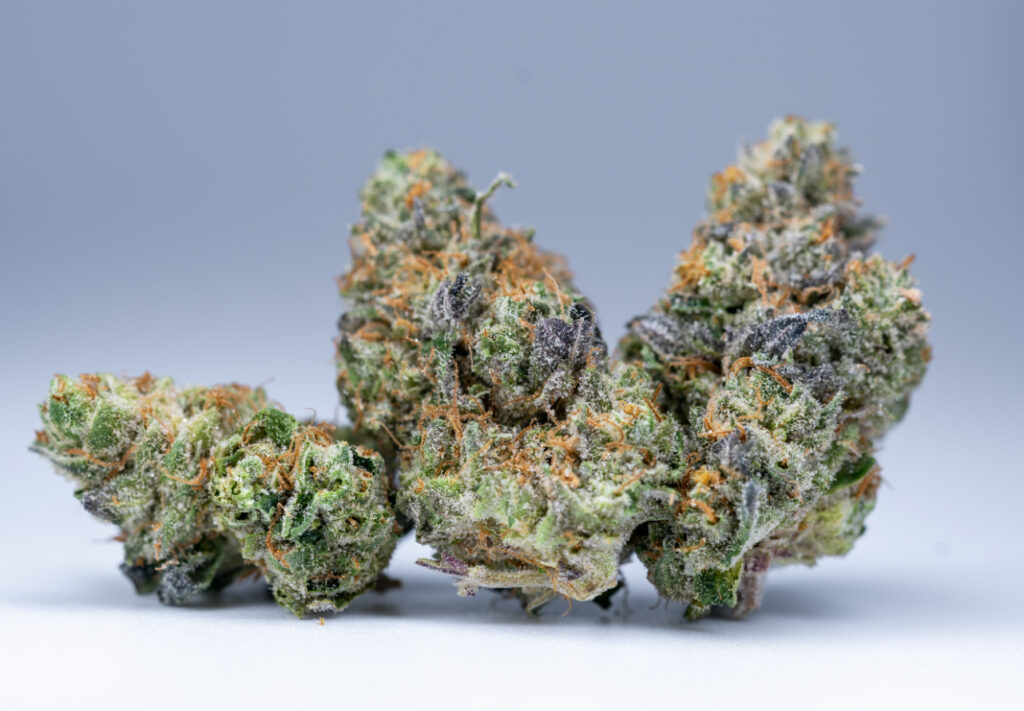
Best Cannabis Strains for Apartment Growing
Certain cannabis strains are naturally more compact and better suited for limited spaces. Autoflowering strains are an excellent option because they remain small and have a shorter growth cycle. Some popular strains for small spaces include:
- Northern Lights: Known for its compact size and high yield, perfect for indoor growing.
- Lowryder: A small, hardy autoflower strain that thrives in tight spaces.
- White Widow: A hybrid strain that stays relatively short while delivering excellent yields.
Consider Indica-Dominant Strains
Indica-dominant strains tend to be shorter and bushier than Sativa strains, making them ideal for growing in small apartments. These strains are easier to manage, require less pruning, and are well-suited for indoor environments.
Setting Up Your Indoor Grow Space
One of the most critical factors in small-space cannabis cultivation is designing an efficient grow space. You’ll need to account for light, ventilation, and temperature control while ensuring that the space is discreet and manageable.
Using a Grow Tent for Apartment Growing
A grow tent is an excellent investment for apartment dwellers. It helps contain your plants in a dedicated space, provides light control, and improves air circulation. Grow tents come in various sizes, so you can find one that fits your available space. They also help prevent light leaks and unwanted odors from escaping into your living area.
Grow Lights: Essential for Indoor Cannabis
Since you won’t have access to natural sunlight, you’ll need to invest in grow lights. LED grow lights are the best option for small spaces because they are energy-efficient, produce minimal heat, and provide the full spectrum of light that cannabis plants need. Make sure to choose lights that match the size of your grow space and the growth stage of your plants.
Ventilation and Airflow in Small Spaces
Proper airflow is crucial for healthy cannabis plants, even in small spaces. Poor ventilation can lead to mold, mildew, and pests. In a small apartment, use a small fan or install an exhaust system to ensure constant air circulation. Make sure your grow tent has ventilation openings to let fresh air in and allow excess heat to escape.
Managing Light Cycles and Timing
Cannabis plants need different light cycles depending on their growth stage. Managing light schedules is especially important for indoor growers, as your plants rely entirely on artificial lighting.
Light Cycle for Vegetative Stage
During the vegetative stage, cannabis plants require long periods of light—typically 18 hours of light and 6 hours of darkness. This helps the plants grow strong and develop leaves and stems.
Light Cycle for Flowering Stage
When your plants reach the flowering stage, you’ll need to switch to a 12/12 light cycle—12 hours of light followed by 12 hours of complete darkness. This change in light exposure triggers the plants to start producing buds.
Managing Light Leaks in Apartments
Because cannabis is light-sensitive, any stray light during the dark period can disrupt the plant’s natural growth cycle. Make sure your grow tent or grow space is completely sealed during the dark hours to prevent light leaks.
Maximizing Yield in Small Spaces
Although you’re working with limited space, there are several techniques you can use to maximize your cannabis yield.
Pruning and Training Your Plants
Pruning and training are vital for maximizing yield in a small grow space. By trimming lower branches and removing dead leaves, you allow more light and energy to be directed toward the main buds. Consider using the Low-Stress Training (LST) method, where you gently bend and tie down the plant’s branches to encourage horizontal growth rather than vertical growth. This helps you make better use of your available space.
Use the Right Nutrients
Cannabis plants need the right balance of nutrients to thrive, especially in small spaces where soil and water can be limited. Use a nutrient blend designed for cannabis, including nitrogen, phosphorus, and potassium. Be sure to follow the manufacturer’s recommendations to avoid nutrient burn or deficiencies.
Controlling Odors in Small Apartments
Cannabis plants, particularly during the flowering stage, can produce strong odors that may not be ideal in a shared apartment building. Controlling these odors is crucial for maintaining privacy and avoiding complaints from neighbors.
Using Carbon Filters
A carbon filter is one of the most effective tools for controlling odors in small spaces. These filters attach to your grow tent’s exhaust system and trap any odors before they escape. They are highly efficient and help ensure discretion.
Odor Neutralizers
In addition to carbon filters, you can use odor neutralizers or gels in your apartment to keep any remaining smells at bay. These products are designed to absorb and neutralize odors rather than just masking them.
Harvesting and Curing in Small Spaces
Once your plants have matured, it’s time to harvest. However, harvesting in an apartment requires some extra consideration, especially when it comes to drying and curing your cannabis.
Drying Cannabis in Small Spaces
After harvesting, your cannabis needs to be dried in a dark, cool space with good airflow. If you don’t have a separate drying room, you can dry your plants inside the grow tent by hanging the branches upside down. Use a small fan to keep the air moving and prevent mold.
Curing Cannabis for Maximum Quality
Curing is a slow process that enhances the flavor and potency of your cannabis. Store your dried cannabis in airtight glass jars and open them daily for a week or two to release excess moisture. Keep the jars in a dark, cool place to ensure a proper cure.
Conclusion
Growing cannabis in small spaces, such as an apartment, is entirely possible with the right approach. By selecting the right strains, using a grow tent, managing light cycles, and controlling odors, you can cultivate healthy, high-quality cannabis plants even in limited areas. With a little effort and attention to detail, you can enjoy the satisfaction of growing your own cannabis in the comfort of your home.