
As the demand for cannabis grows worldwide, so does the interest in organic versus non-organic options, including cannabis seeds. Just as with other crops, many cannabis growers and consumers are increasingly interested in organic cultivation methods, driven by concerns for health, environmental sustainability, and product quality. When it comes to choosing organic versus non-organic cannabis seeds, there are several factors to consider that may impact not only the growing process but also the final product. This guide will dive deep into what sets organic and non-organic cannabis seeds apart, covering the benefits, potential drawbacks, and considerations for each.
What Are Organic Cannabis Seeds?
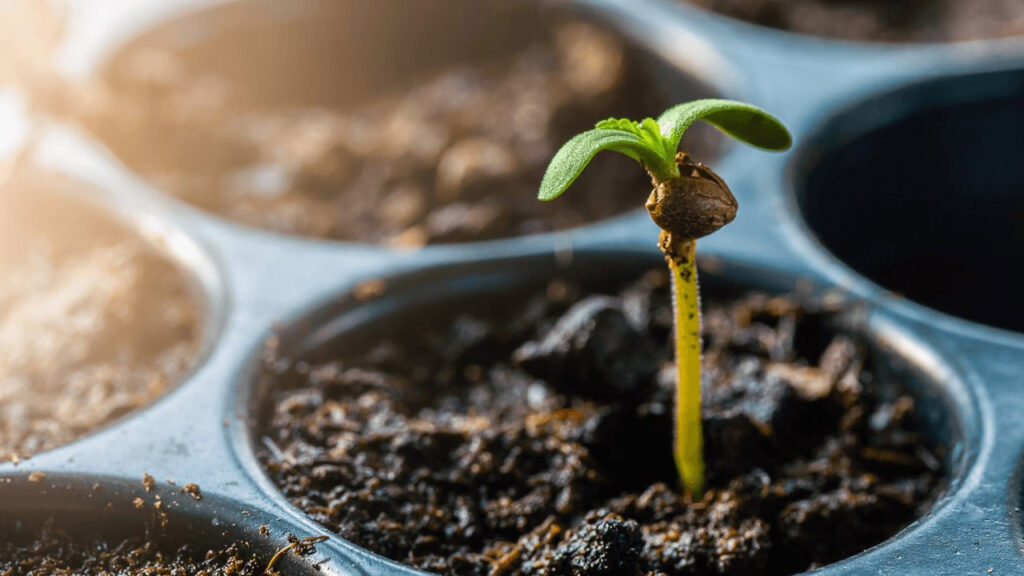
Organic cannabis seeds are cultivated using practices that avoid synthetic chemicals, pesticides, and genetically modified organisms (GMOs). Organic farming relies on natural methods to improve soil fertility, control pests, and promote plant health. Seeds labeled as organic typically come from plants grown in an environmentally sustainable way, with practices designed to enhance the ecosystem, reduce pollution, and avoid the use of chemical inputs. The goal of organic farming is to produce healthier plants in a way that is as natural and eco-friendly as possible.
In the context of cannabis, organic seeds are often associated with small-scale, sustainable farms that prioritize quality over quantity. These seeds are usually grown in soil that has been treated with organic fertilizers, compost, and other natural amendments that enrich the soil without harming the environment. As a result, organic cannabis seeds tend to produce plants with a higher terpene profile, a more balanced cannabinoid ratio, and a potentially cleaner final product.
What Are Non-Organic Cannabis Seeds?
Non-organic cannabis seeds, also known as conventional seeds, are typically produced using standard agricultural practices. These seeds come from plants that may have been grown with synthetic fertilizers, pesticides, herbicides, and fungicides, which help manage pests and boost crop yields. Non-organic seeds might also come from genetically modified plants designed to resist diseases, pests, or harsh growing conditions. Unlike organic seeds, non-organic seeds prioritize efficiency and yield, often sacrificing environmental sustainability for higher production levels.
Non-organic cannabis seeds are usually easier and less costly to produce, making them a more accessible option for large-scale cannabis cultivation. The use of synthetic inputs allows growers to control growing conditions more precisely and avoid common issues such as pest infestations or nutrient deficiencies. However, there are concerns about the potential health risks and environmental impact of synthetic chemicals used in conventional cannabis farming.
Benefits of Organic Cannabis Seeds
- Environmental SustainabilityOrganic farming practices aim to minimize the impact on the environment by avoiding synthetic chemicals and promoting biodiversity. Using organic seeds supports sustainable agriculture, as these seeds are typically cultivated with practices that improve soil health, reduce water pollution, and promote a balanced ecosystem.
- Improved Terpene and Cannabinoid ProfileMany organic growers believe that organic seeds produce cannabis plants with a richer terpene profile and a more complex cannabinoid profile. Since organic farming focuses on soil health and natural growth, these plants often develop a more distinct flavor and aroma. This can lead to a more enjoyable experience for consumers and may even enhance the therapeutic properties of cannabis.
- Healthier Final ProductBy avoiding synthetic chemicals, organic cannabis is free from pesticide and herbicide residues, which may linger on the plant and be inhaled or ingested by consumers. Organic cannabis seeds produce plants that grow naturally, reducing the risk of contaminants in the final product and promoting a cleaner, healthier cannabis experience.
- Enhanced Soil HealthOrganic farming emphasizes soil regeneration and biodiversity. This method supports soil life by incorporating compost, natural fertilizers, and cover crops. Healthier soil means stronger plants, as they receive more nutrients naturally without the need for chemical interventions. Organic seeds grown in nutrient-rich, living soil are often better equipped to handle stress, leading to healthier and more resilient plants.
- Eco-Friendly Pest and Disease ManagementOrganic farming relies on natural pest management practices, such as beneficial insects, companion planting, and organic pesticides derived from natural sources. These methods reduce the environmental impact of pest control and encourage biodiversity, making organic seeds a more eco-friendly option for cultivation.
Drawbacks of Organic Cannabis Seeds
- Higher CostOrganic cannabis seeds and the farming practices associated with them tend to be more expensive than conventional methods. The certification process for organic seeds is rigorous and costly, and organic farming often requires more labor and resources. As a result, organic seeds can be less accessible, particularly for growers on a budget.
- Limited AvailabilityOrganic cannabis seeds may not be as widely available as conventional seeds. The demand for organic seeds is growing, but there are fewer certified organic cannabis seed producers, making it challenging for growers to find high-quality organic options for certain strains.
- Lower Yields in Some CasesOrganic farming methods may lead to lower yields compared to conventional farming, as organic practices prioritize quality over quantity. Without synthetic fertilizers or pesticides, it can be harder to protect plants from pests and provide optimal nutrition, which may affect overall yield.
- Potential for Pest IssuesWhile organic farming promotes natural pest management, it may not always be as effective as synthetic pesticides used in conventional farming. Organic growers need to take extra precautions to prevent infestations, and this can be challenging for beginners or those in pest-prone areas.
Benefits of Non-Organic Cannabis Seeds
- Higher YieldsNon-organic cannabis seeds are often bred for high yields, making them suitable for large-scale production. The use of synthetic fertilizers and pesticides allows for more precise control over growing conditions, which can lead to larger, more consistent harvests.
- Lower CostConventional farming practices are generally more affordable than organic methods, which can make non-organic cannabis seeds more accessible for many growers. Lower production costs translate to more affordable seeds, making it easier for growers to start or expand their operations.
- Greater Availability of StrainsNon-organic seeds are widely available and come in a broad variety of strains, from popular hybrids to specialized genetics. This accessibility makes it easy for growers to find the perfect strain for their needs, whether it’s for high THC, CBD, or unique flavor profiles.
- Pest and Disease ResistanceMany non-organic seeds come from plants that have been treated with synthetic pesticides, herbicides, and fungicides to prevent pest and disease problems. Some non-organic seeds may even come from genetically modified strains bred specifically for resistance to environmental stressors, which can make them easier to grow in challenging conditions.
Drawbacks of Non-Organic Cannabis Seeds
- Potential Health RisksNon-organic cannabis seeds come from plants that may have been exposed to synthetic chemicals. Residues from pesticides, herbicides, and fertilizers can remain on the plant and pose health risks when inhaled or ingested, especially for medical cannabis users seeking a clean product.
- Environmental ImpactConventional cannabis farming practices contribute to soil degradation, water pollution, and biodiversity loss due to the use of synthetic inputs. Over time, these practices can harm ecosystems, affect nearby wildlife, and lead to reduced soil fertility.
- Lower Terpene and Flavor ProfileSome growers and consumers believe that non-organic seeds produce cannabis plants with a less complex flavor and aroma. Since conventional farming focuses on maximizing yield, the plant’s natural terpene development may be impacted, resulting in a less distinctive flavor profile compared to organically grown cannabis.
- Decreased Soil HealthSynthetic fertilizers and pesticides used in conventional farming can damage soil life, leading to a loss of beneficial microorganisms and reduced soil quality over time. Degraded soil can impact future crops and may require more synthetic inputs, creating a cycle that depletes the soil’s natural fertility.
Choosing Between Organic and Non-Organic Cannabis Seeds
The choice between organic and non-organic cannabis seeds largely depends on your growing philosophy, budget, and goals. Organic seeds are ideal for growers who prioritize sustainability, environmental health, and high-quality, flavorful cannabis. They may require more effort and investment but can yield a product that is clean and free from synthetic chemicals. On the other hand, non-organic seeds are a more accessible option for those focused on high yields, cost-effectiveness, and ease of cultivation. While they may lack the natural benefits of organic seeds, they offer flexibility and convenience.
Read Also : How to Dose Cannabis Edibles Safely: Tips for Beginners
Final Thoughts
Both organic and non-organic cannabis seeds have their pros and cons, and the best choice depends on the grower’s individual values and resources. Organic cannabis seeds support sustainable agriculture and often result in a cleaner, more flavorful product. They’re ideal for conscientious growers looking to minimize environmental impact and produce high-quality cannabis. Non-organic seeds, while more conventional, offer affordability, availability, and consistent yields, making them an attractive choice for those seeking an efficient and manageable growing process. Ultimately, whether you choose organic or non-organic seeds, growing cannabis with care and intention can yield rewarding results.